
What Is Cybersecurity? Definition, Types, Threats and Best Practices
Published: 2026-08-05T09:43:47.332Z
Author: BlockBreach Team
"Cybersecurity is the essential practice of defending digital infrastructure, applications, networks, and data from unauthorized access, disruption, damage, or theft."
Cybersecurity has become essential for individuals, businesses, governments, and organizations that depend on digital technology. Every online account, mobile application, cloud platform, business network, connected device, and database can become a potential target for cybercriminals.
But what exactly is cybersecurity, how does it work, and what can organizations do to protect themselves?
What Is Cybersecurity?
Cybersecurity is the practice of protecting computers, servers, mobile devices, applications, networks, cloud systems, and digital information from unauthorized access, disruption, damage, theft, or malicious attacks.
It combines people, processes, policies, and technologies to prevent cyberattacks, detect suspicious activities, respond to security incidents, and restore affected systems.
Kaspersky defines cybersecurity as the practice of defending computers, servers, mobile devices, electronic systems, networks, and data from malicious attacks. NIST also describes it as protecting information by preventing, detecting, and responding to attacks.
Cybersecurity in Simple Words
In simple terms, cybersecurity means keeping your digital devices, online accounts, systems, networks, applications, and information safe from hackers and other cyber threats. For example:
- Passwords: Help protect online accounts.
- Antivirus software: Helps detect malicious programs.
- Firewalls: Help control network traffic.
- Encryption: Helps prevent unauthorized users from reading data.
- Multifactor authentication (MFA): Adds an additional identity-verification step.
- Security monitoring: Helps detect suspicious activities.
- Backups: Help restore information after an attack.
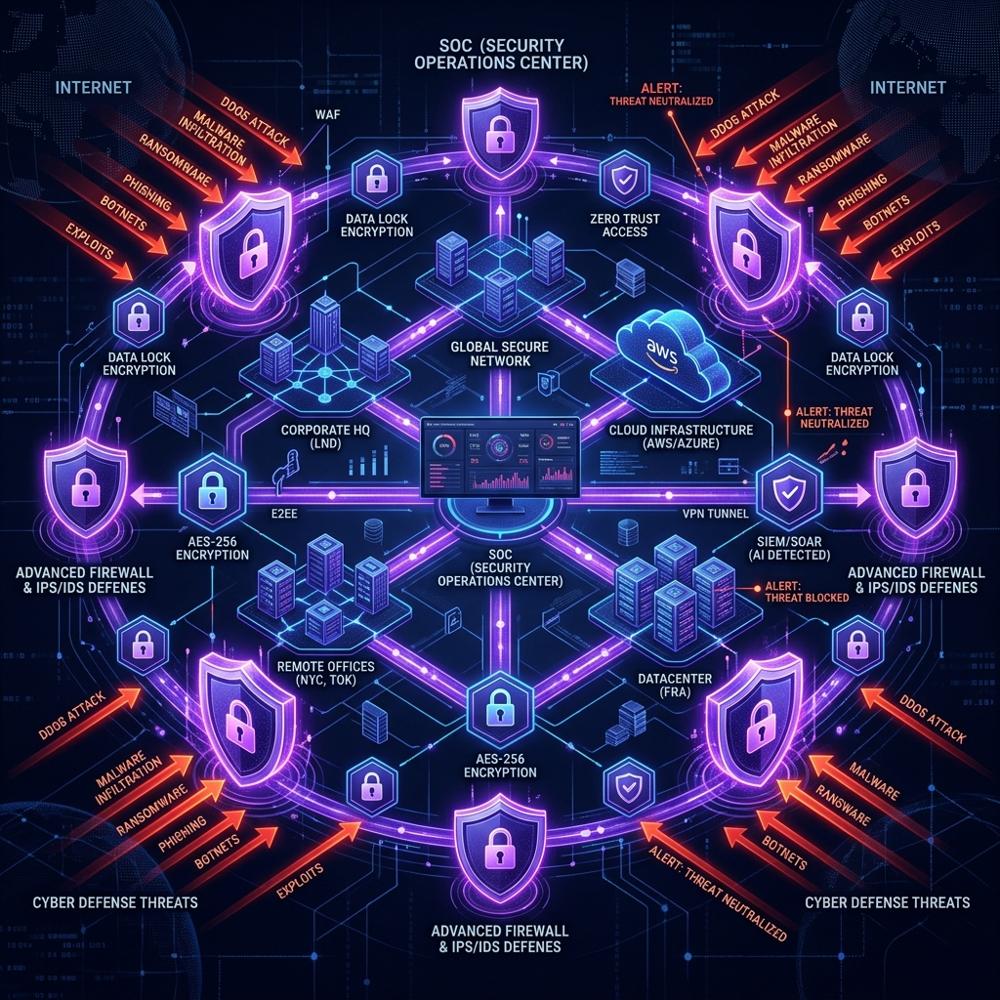
Figure 1: Unified Cybersecurity Architecture and Attack Surface Mapping Diagram
Why Is Cybersecurity Important?
Organizations depend on digital systems for communication, banking, customer management, business operations, healthcare, manufacturing, logistics, education, and government services. This growing dependence on technology has increased the potential impact of cyberattacks.
A successful cyberattack can result in:
- Theft of confidential information
- Financial losses
- Business disruption
- Ransomware infections
- Loss of customer trust
- Regulatory penalties
- Damage to organizational reputation
What Are the Main Goals of Cybersecurity?
The three fundamental goals of information and cybersecurity are commonly described through the CIA triad:
1. Confidentiality
Ensures that sensitive information is accessible only to authorized people, systems, or applications using access controls and encryption.
2. Integrity
Ensures that information remains accurate, complete, and protected from unauthorized modification using digital signatures and audit logs.
3. Availability
Ensures that systems, applications, and information remain accessible to authorized users when required using backups and redundancy.
How Does Cybersecurity Work?
Effective cybersecurity works through a combination of three core elements:
- People: Employees and administrators must understand how to recognize phishing, create strong passwords, and protect digital assets.
- Processes: Defined guidelines like risk assessments, access reviews, backup recovery, and incident response procedures.
- Technology: Security tools such as firewalls, endpoint protection (EDR), encryption, SIEM, and identity access management platforms.
Cybersecurity vs Information Security
Cybersecurity and information security are closely related, but they are not exactly the same:
| Area | Cybersecurity | Information Security |
|---|---|---|
| Primary Focus | Digital systems, networks, applications and cyber threats | Information in digital, physical or other forms |
| Assets Protected | Devices, networks, cloud services, software and electronic data | All sensitive information assets |
| Common Controls | Firewalls, endpoint protection, VAPT, monitoring and incident response | Data classification, access control, policies and information handling |
| Scope | Primarily digital environments | Digital and non-digital information |
How Can Businesses Improve Cybersecurity?
- Establish Cybersecurity Governance: Define roles, strategy, risk ownership, and acceptable risk levels.
- Maintain an Asset Inventory: Identify applications, servers, databases, and third-party vendors.
- Conduct Risk Assessments: Prioritize improvements based on actual business exposure.
- Perform VAPT: Run vulnerability assessments and penetration testing to patch configurations.
- Implement Strong Access Controls: Follow the principle of least privilege and enforce MFA.
- Keep Systems Patched: Keep operating systems, applications, and APIs updated regularly.
- Maintain Tested Backups: Secure offline backups from ransomware, and test restoration plans.
How BlockBreach Can Help
BlockBreach Pvt. Ltd. helps organizations identify cyber risks, strengthen security controls, manage vulnerabilities, prepare for compliance requirements, and respond to evolving threats. Contact BlockBreach Pvt. Ltd. for cybersecurity assessments, VAPT, managed security, compliance support, cloud security, and virtual CISO services.